
How Mainstream and SEN Programs Can Work Together
Picture morning circle time in a preschool classroom. One child calmly raises her hand to answer the teacher’s question. Another sits slightly apart from the group, quietly watching while holding a sensory toy. Across the carpet, a third child enthusiastically jumps up and shares an idea before the first child has finished speaking.
At first glance, these children might appear to require entirely different educational approaches. Yet in an inclusive classroom, they are simply part of the natural variation in how children think, communicate and engage with the world.
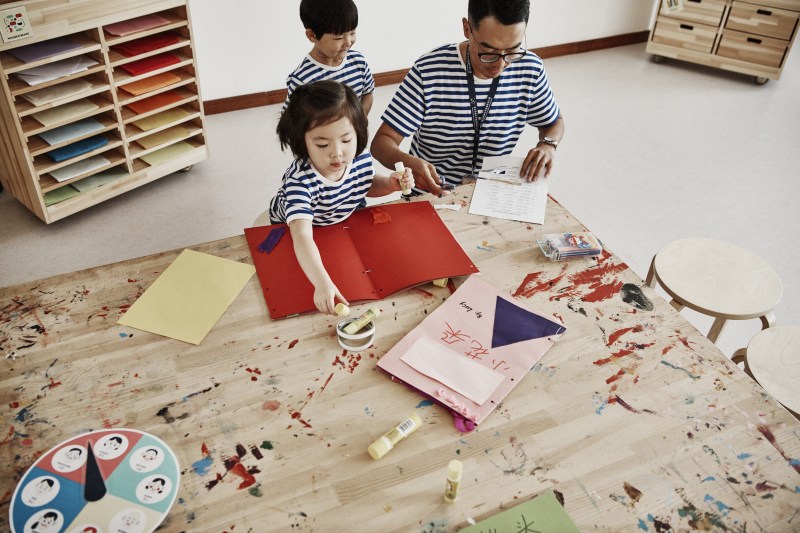
Early childhood is when children begin forming ideas about who they are as learners and how they relate to others. Research in developmental psychology tells us that these early experiences shape children’s beliefs about their own abilities and the people around them. During the preschool years, children are developing their sense of identity, confidence, and belonging within a group.
Young children are naturally curious and open to difference. This does not mean they fail to notice it. In fact, research shows that children as young as two are already consciously aware of physical differences such as height, weight and skin color. They are actively observing these differences while constructing their understanding of themselves and others. During these early years, children learn how to respond to difference, navigating how to include or exclude others and how to interpret their own strengths and challenges.
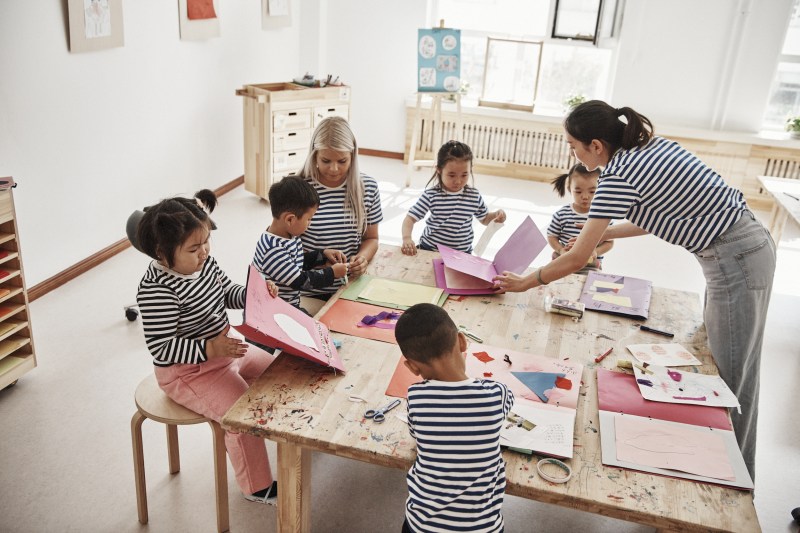
Inclusive environments help children understand that everyone learns in different ways and at different paces. Within a neurodiversity framework, these differences are celebrated as natural variations in how our brain develop and process the world. Some children learn best through movement, some through thoughtful observation, and some by actively talking things through with their peers. Inclusive classrooms make space for all these differences and allow children to see that needing support, asking for help, or approaching a task in a different way are all normal ways of learning.
Inclusion begins with a sense of belonging. Educational research consistently finds that students who feel they belong are more likely to engage in their learning, take academic risks and persevere when tasks become challenging. Children who feel accepted by both teachers and peers are more willing to jump in and try new things and are less afraid of making mistakes.
Schools have traditionally separated mainstream education from Special Educational Needs (SEN). Specialized support is essential, but research increasingly shows that students benefit the most when specialists and classroom teachers work collaboratively, sharing their expertise to support all learners.
By working together, mainstream and SEN programs can proactively reduce barriers and provide multiple pathways to learning. Strategies such as co-teaching, push-in support, targeted small group instruction, and intentional adjustments to the learning environment can allow children with a wide range of strengths and challenges to successfully engage in their learning.
Inclusive classrooms benefit all children, not only those receiving additional support. When children learn alongside peers who think, communicate and act differently, they develop empathy, patience and flexible thinking. These important social and emotional skills are just as important for long-term success as academic knowledge. Ultimately, inclusive education is an investment in the kind of communities we hope to build. Children who feel seen and valued develop confidence in their abilities and openness towards others. When young children grow up in environments where differences are understood and respected, they develop into adults with empathy, confidence and adaptability, the very skills they will need to thrive in a diverse and complex world.
Written by Dr. Whitney Smith.